Have you noticed that public figures are becoming a little freer with their language?
The Leader of the Opposition labels the Prime Minister an “arrogant prick”. The leader of One Nation calls a reporter a “bitch”. The President of the United States, Donald Trump, drops the F-bomb during a press conference.
Are we becoming a little too comfortable with profanity in public discourse?
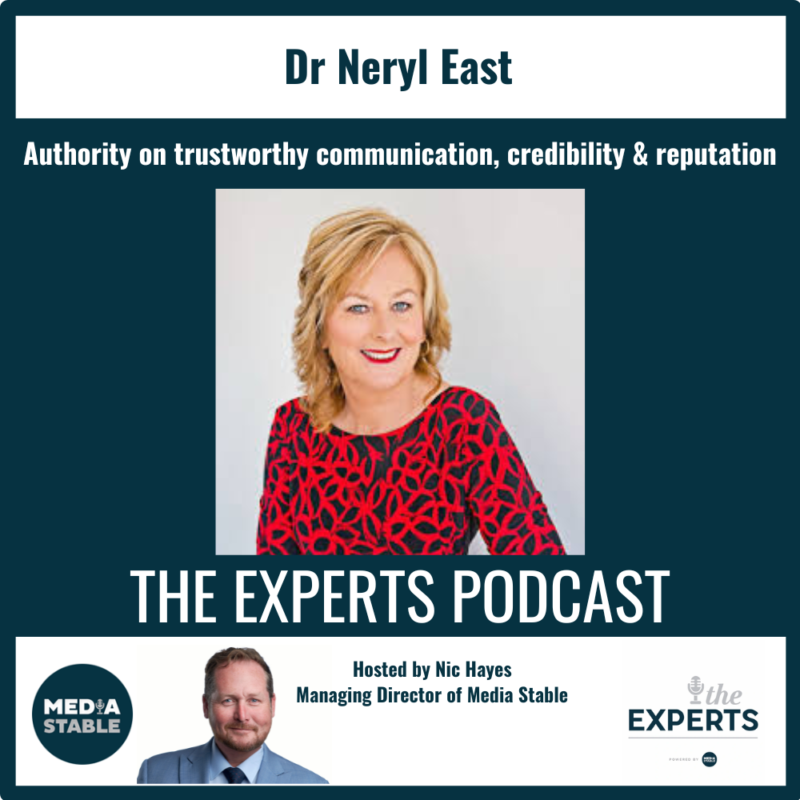
Communications and leadership expert Dr Neryl East joined The Experts Podcast this week to examine what happens when our leaders lower the standard of their language and what that means for their ability to lead.
Listen on Soundcloud, Spotify or Apple Podcasts.
Neryl points to a growing wave of incivility that surrounds us every day. We see it online, on our roads, in public debate and across social media. At a time when trust in institutions and leadership is already under pressure, she argues that we need our leaders to rise above the noise, not contribute to it.
The question is whether the occasional swear word makes leaders appear more authentic and relatable. Neryl acknowledges that nobody wants politicians who sound robotic or overly rehearsed. Authenticity matters. But so does judgement. When someone is entrusted to represent the public, there is a responsibility to communicate with care and purpose.
One of the key concerns raised in this conversation is that the profanity often becomes the story. The issue that sparked the comment is quickly forgotten, while the headline focuses on the language itself. Name-calling and cheap insults may generate attention, but they do little to build trust, credibility or respect.
Where has the wit gone? The sharp critique? The ability to dismantle an argument without resorting to abuse? Strong leaders can make powerful points without reaching for profanity, and the best communicators know how to command attention without lowering the tone.
The discussion also explores whether the media can sometimes be guilty of amplifying these moments. Different generations and demographics have very different views on language, and what shocks one audience barely registers with another. Yet the broader expectation remains the same. We want our leaders to set the standard, not follow the crowd.
A colourful outburst might deliver a headline, a laugh or a moment of viral attention. But leadership is a long game, and credibility is built over time. As Dr Neryl East explains, the language our leaders choose says far more about them than they might realise.